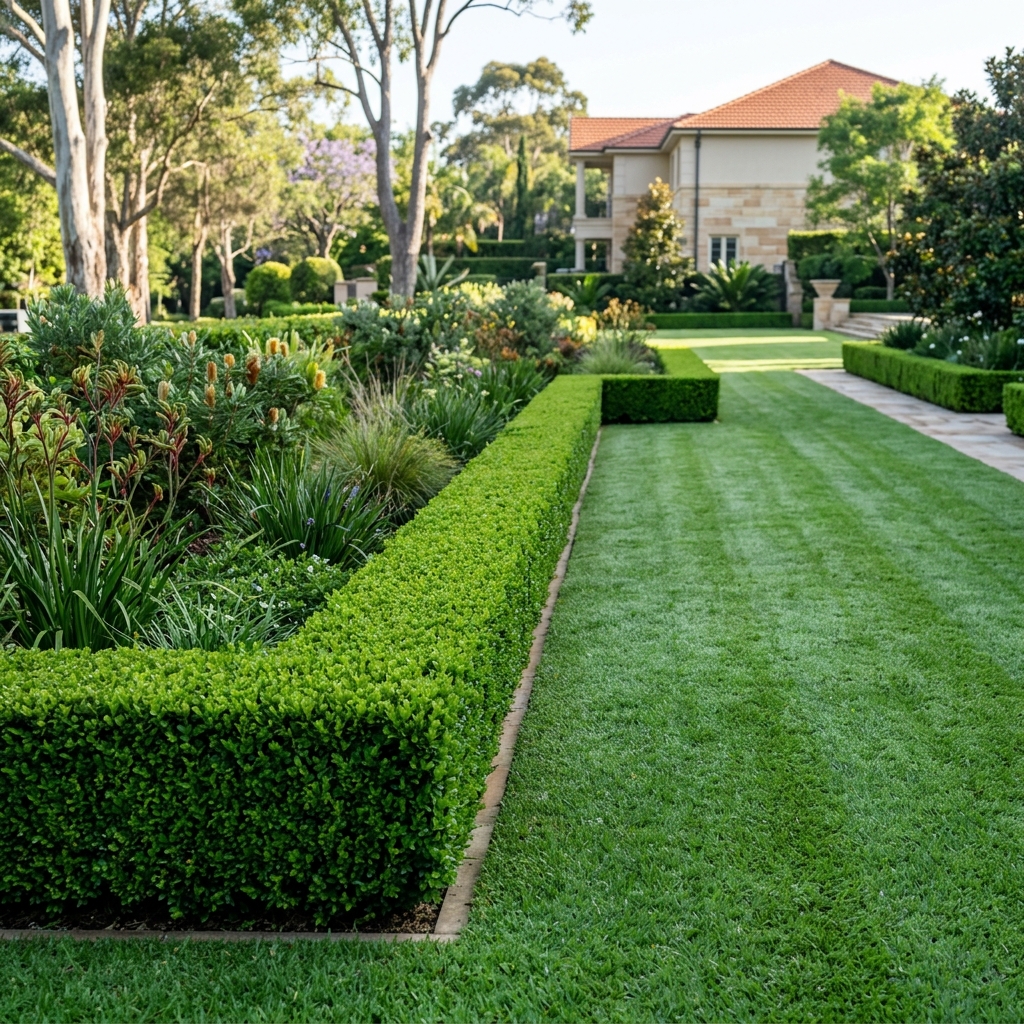
Neither native nor exotic trees are universally "better" — natives generally cost less to maintain and support more local wildlife, while exotics often win on seasonal colour and classic garden structure. The right choice comes down to your water budget, how much ongoing care you want to put in, and the look you're going for.
Water Use & Drought Tolerance
Melbourne has dry, often hot summers, and this is where the gap between native and exotic species is widest. Most Victorian natives — eucalypts, wattles, bottlebrushes, lillypillies — are adapted to exactly this climate and need little to no supplementary watering once established. Many popular exotics (Japanese maples, silver birches, some ornamental fruit trees) need regular irrigation through summer to stay healthy, which adds an ongoing cost and water-use consideration.
Most native species need consistent watering only for their first one to two years while establishing a root system — after that, Melbourne's rainfall pattern is usually sufficient. General horticultural establishment guidance
Wildlife & Biodiversity Value
Native trees support local birds, bees, and insects that co-evolved with them — a flowering grevillea or bottlebrush will typically attract far more native honeyeaters and pollinators than an equivalent exotic ornamental. If attracting local birdlife is part of the brief, natives are the clear choice.
"A garden built on natives isn't just lower maintenance — it's a small patch of habitat for the birds and insects that used to live on that block before it was a garden at all."
Maintenance & Longevity
Natives generally need less fertiliser, less water, and are more tolerant of Melbourne's clay soils and dry spells. Exotics can offer more predictable, formal shapes (hedging varieties especially) and dramatic seasonal change — autumn colour, spring blossom — that few natives replicate. That seasonal drama does usually come with a higher maintenance bill over the tree's life, including more frequent seasonal pruning.
Council Overlays & Planting Rules
Planting new trees is rarely restricted, but removing existing canopy — native or exotic — can be, particularly on properties under a Significant Landscape Overlay or Vegetation Protection Overlay common across Melbourne's eastern and inner suburbs. If you're planning a garden redesign that involves removing established trees, check our council permits guide first, or ask us to check on your behalf.
Popular Picks for Melbourne Gardens
- Natives: Lilly Pilly (screening/hedging), Bottlebrush (bird-attracting colour), Wattle (fast-growing spring colour), Eucalyptus (specimen/shade, larger blocks only).
- Exotics: Japanese Maple (feature colour), Crepe Myrtle (summer flowering), Silver Birch (light canopy, classic look), Ornamental Pear (street-tree style, tidy form).
Planning a Garden Redesign?
We'll help you choose the right mix of species for your soil, sun, and maintenance goals, then handle the full landscaping job.
Get a Free Landscaping Quote →Common Native vs Exotic Questions
Are native trees better than exotic trees for Melbourne gardens?
Not universally better, but generally lower-maintenance — most Victorian natives are adapted to Melbourne's dry summers and support local wildlife better than exotics.
Do native trees need less water than exotic trees?
Once established, most natives handle Melbourne's dry summers with little to no supplementary watering, while many exotics need regular irrigation.
Can I plant any tree I want on my property?
Usually yes, but properties under a Significant Landscape Overlay or Vegetation Protection Overlay may restrict removing existing canopy — check with your council or ask us.
Which exotic trees are popular in Melbourne gardens?
Japanese maples, crepe myrtles, silver birches, and ornamental pears are popular for seasonal colour, though most need more water and care than natives.
Do you help choose and plant trees as part of landscaping?
Yes — species selection and planting is part of our landscaping and garden design service, matched to your soil, sun exposure, and maintenance preferences.