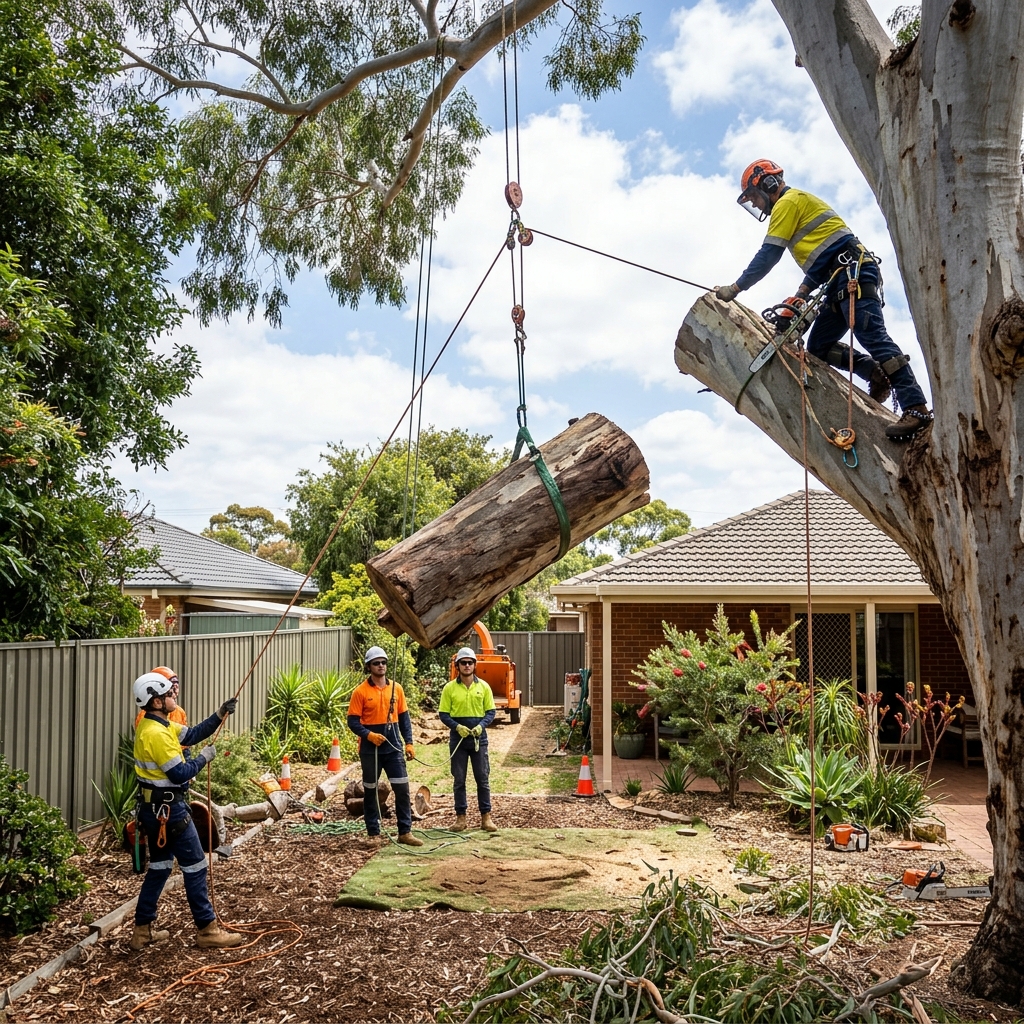
The best time to prune most trees in Melbourne is late autumn through winter — roughly May to August — while trees are dormant and heal fastest before spring growth resumes. The main exceptions are spring-flowering natives (prune right after flowering, not in winter) and any hazardous or storm-damaged branch, which should come down immediately regardless of season.
Melbourne's Pruning Calendar by Season
Melbourne's temperate climate gives a fairly generous pruning window compared to harsher climates, but timing still matters for tree health, flowering, and how quickly wounds close over.
- Winter (June–August): The prime window for structural pruning, crown reduction, and dead-wooding on deciduous and most evergreen trees. Trees are dormant, sap flow is low, and wound closure is fastest once spring growth kicks in.
- Spring (September–November): Good for light formative pruning once new growth is visible, but hold off on heavy structural cuts. This is also when spring-flowering natives should be left alone until they finish blooming.
- Summer (December–February): Only light, formative pruning — avoid major cuts during heatwaves, as exposed wood combined with high heat and low humidity stresses the tree and slows healing.
- Autumn (March–May): A good general clean-up window — dead-wooding, hedge shaping, and removing summer growth before winter dormancy sets in.
Melbourne's dormant season is the safe pruning window for most trees — cuts made now close over fastest once spring growth resumes, reducing exposure to pests and fungal disease. General arboricultural best practice, ISA Australia
Why Timing Matters for Tree Health
Every pruning cut is an open wound. Cut at the wrong time and that wound sits exposed for longer, or bleeds sap heavily (common in maples and birches pruned in late winter/early spring), or opens the tree up to disease and pest pressure during its most vulnerable growth phase. Cut during dormancy, and the tree seals the wound quickly as soon as active growth resumes.
This is also why we assess each tree on-site rather than applying a blanket rule — species, age, health, and the reason for pruning (shape vs. safety vs. size control) all change the ideal timing.
Special Case: Spring-Flowering Natives
Many Australian natives — wattles, grevilleas, and several eucalypt species — set their flower buds in the season before they bloom. Prune these in winter using the "deciduous tree" rule and you'll cut off the coming season's flowers entirely. The fix is simple: prune spring-flowering natives immediately after they finish blooming, not before.
"The right cut at the wrong time of year can cost you a full season of flowers — or a season of healing time the tree didn't need to lose."
What Happens If You Prune at the Wrong Time
Off-season pruning isn't usually catastrophic, but it does carry real costs: slower wound closure, higher disease susceptibility while the cut is open, heavier sap bleed in sensitive species, and — for flowering natives — a lost display for the year. None of these are reasons to delay urgent safety work; they're reasons to plan routine pruning around the calendar wherever you can.
Hazardous Branches: Safety Overrides the Calendar
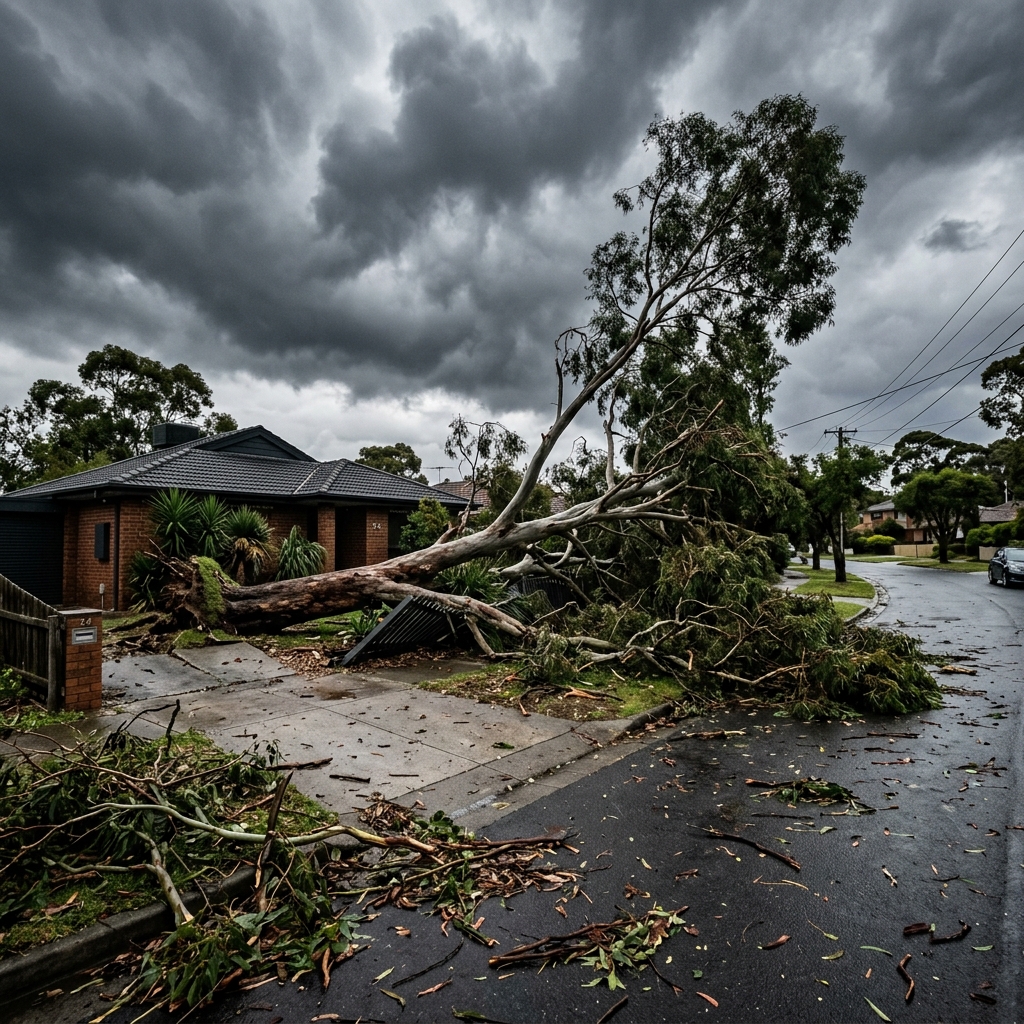
If a branch is dead, cracked, storm-damaged, or hanging over a walkway, driveway, or roofline, it comes down immediately — no season is "wrong" for removing a genuine hazard. If your property has storm damage right now, see our storm damage tree checklist for what to check before we arrive.
Not Sure If Now Is the Right Time to Prune?
Our ISA-qualified arborists will assess your tree and tell you honestly whether it's the right season — or whether it needs attention now.
See Our Pruning Service →Common Pruning Timing Questions
What month is best to prune trees in Melbourne?
Late autumn through winter — roughly May to August — is best for most deciduous and structural pruning, since trees are dormant and heal fastest before spring growth resumes.
Can I prune trees in summer in Melbourne?
Light formative pruning is fine in summer, but avoid heavy cuts during heatwaves — fresh wounds combined with high heat and low humidity stress the tree and slow healing.
When should I prune native flowering trees like wattles and grevilleas?
Prune spring-flowering natives immediately after they finish flowering, not during winter, or you'll cut off the coming season's flower buds.
How often should hedges be trimmed?
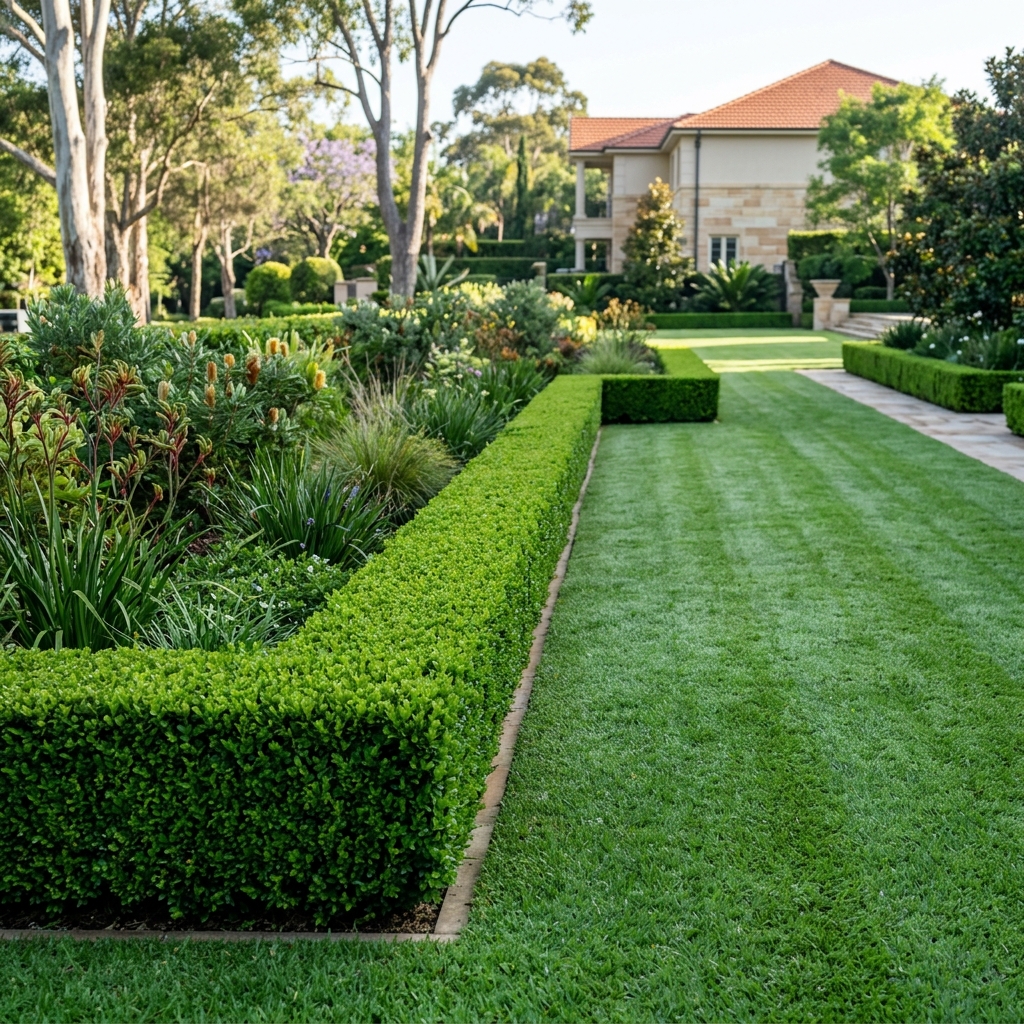
Most formal hedges need trimming 2–4 times during the growing season (spring through early autumn) to hold a crisp shape — see our hedge trimming cost guide for a full breakdown.
Do you prune trees outside the ideal season if there's storm damage?
Yes. Safety overrides the seasonal calendar — a hazardous, storm-damaged, or dead branch should be removed immediately regardless of time of year.